
Commercial Projects
In Australia, commercial real estate offers excellent capital growth potential, long-term lease security, and high rental yields to both institutional and private investors. Australian commercial projects provide a high-performing basis for wealth generation, supported by a transparent legal framework, low office and industrial vacancy rates in key hubs, and ongoing population expansion.
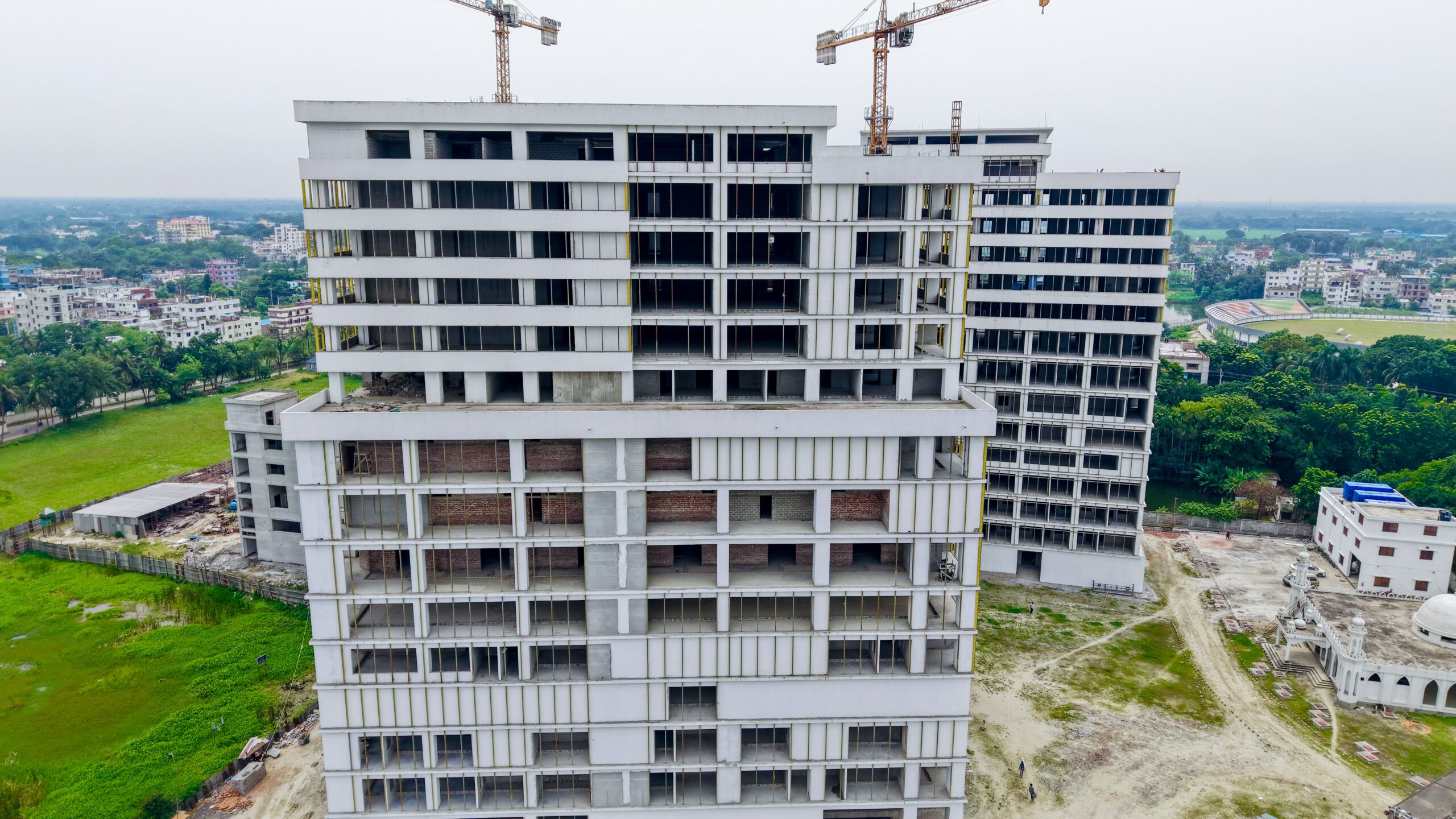
Commercial Project Includes
A. Industry & Logistics Precincts
- State-of-the-art logistics parks, distribution hubs, and warehouses.
- Ideally situated close to ports, intermodal hubs, and important transport corridors
- High demand fueled by supply chain manufacturing, automated fulfilment, and e-commerce.
B. Shopping & Retail
- Regional shopping centers, essential retail strip services, and neighborhood hubs.
- Supported by non-discretionary retail tenants including major Australian grocery chains
- Offers strong foot traffic and dependable, recession-resistant revenue streams.
C. CBD & Suburban Offices
- A-grade and Premium-grade office buildings with high energy efficiency (NABERS) ratings.
- Located in major capital CBDs and high-growth suburban commercial districts.
- Designed for government, corporate, and technology tenants.
D. Commercial Developments with Mixed Uses
- Multipurpose urban projects combining hotels, commercial offices, and ground-floor retail.
- Optimizes land use and generates multiple revenue streams under one asset.
High-Yield & Specialist Commercial Assets
For investors seeking higher yields or specialized commercial sector exposure, we provide access to niche commercial asset classes.
A. Healthcare & Medical
- Day surgery centers, specialty clinics, and purpose-built medical hubs.
- Supported by government-subsidized tenants and long-term leases.
B. Educational & Childcare
- Turnkey leases with national operators for early-learning and childcare developments.
- Strongly supported by high suburban family demographics and government subsidies.
C. Showrooms & Large-Format
- Commercial bulk stores housing national retail, auto, and home improvement brands.
- Long-term lease arrangements with minimal capital needs.
D. Hotels & Hospitality
- High-growth tourism nodes featuring boutique hotels, corporate lodging, and entertainment venues.
Understanding Commercial Leases & Tenure in Australia
Commercial leases in Australia differ significantly from residential contracts, providing unique security features for property owners:
Net Leases & Outgoings Recovery
- Tenants pay base rent plus their share of property outgoings (council rates, water, insurance, land tax, maintenance).
- Protects the landlord’s net rental margin against rising property costs.
Triple Net Leases (NNN)
- The tenant assumes responsibility for all operating expenses, property taxes, insurance, and structural maintenance.
- Offers predictable, hands-off passive income for the asset owner.
Annual Rent Reviews (CPI & Fixed Increases)
- Most commercial leases include mandatory annual rent increases (typically fixed between 3%–5% or tied to the Consumer Price Index - CPI).
- Ensures your investment cash flow keeps pace with inflation over multi-year lease terms.
Understanding Commercial Leases & Tenure in Australia
Freehold Title
- Complete ownership of both the commercial building and the land upon which it stands.
- Standard for standalone industrial warehouses, medical centers, and standalone retail assets.
Strata Title Commercial
- Individual ownership of a commercial suite, shop, or warehouse unit within a larger complex.
- Ideal for entry-level commercial investors seeking lower capital outlay requirements.
Tax Advantages & Financial Benefits of Commercial Property
Investing in newly built or refurbished commercial projects unlocks unique financial efficiencies:
Accelerated Tax Depreciation
- • Commercial property offers significant tax depreciation of write-offs on capital works (building structure) and plant/equipment (HVAC, lifts, security systems).
Long-Term Lease Security (WALE)
- •Commercial assets feature long Weighted Average Lease Expiries (WALE), with lease terms typically ranging from 5 to 15 years, minimizing vacancy risk.
Disclaimer: The information provided on this page is for general awareness purposes only and should not be considered professional advice. For your specific requirements and a personalized plan, please consult a qualified subject matter expert for further discussion, such as an accountant, financial planner, or finance broker etc